Overseeding
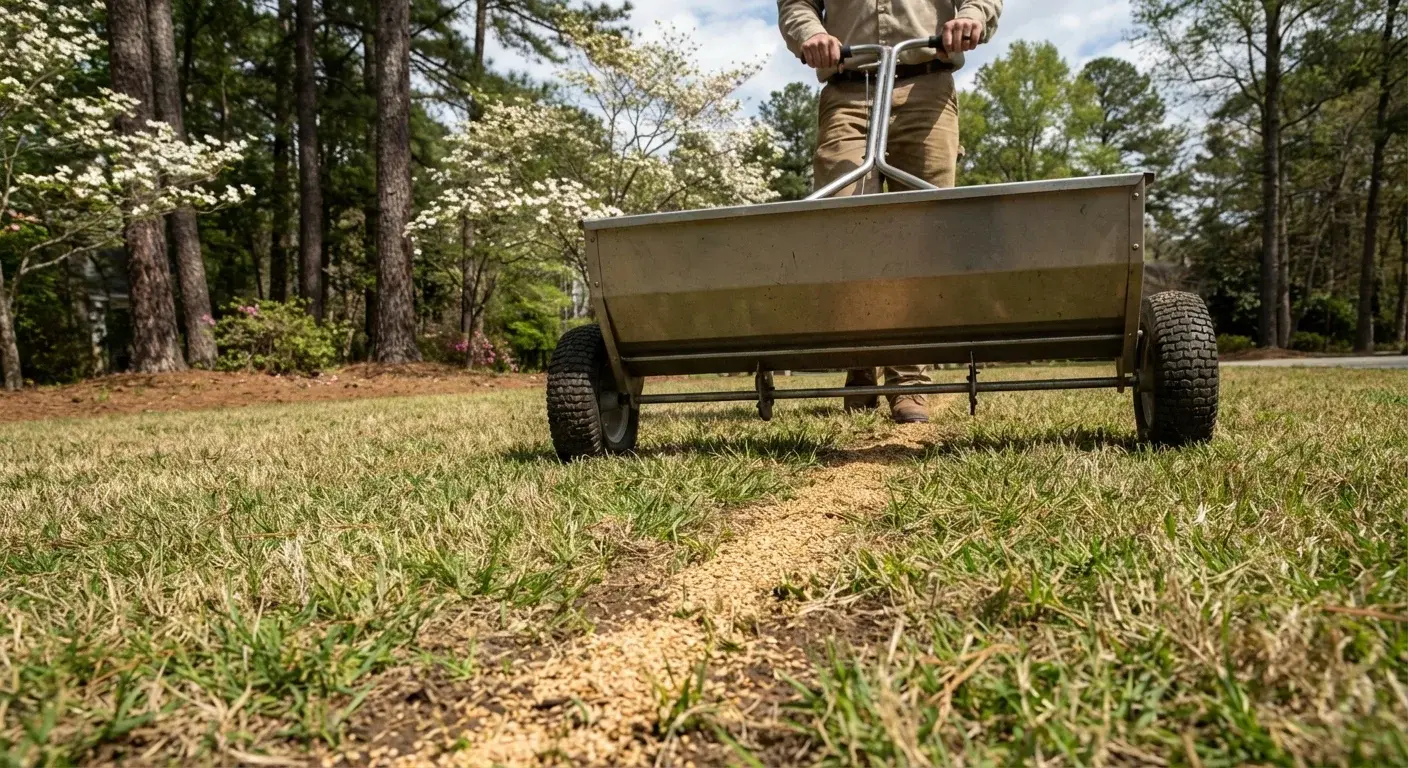
GopherTurf offers overseeding when it is appropriate for the lawn. We first identify the existing grass and the reason for thinning. Fall overseeding is commonly associated with tall fescue; it is not a universal repair for Bermuda or Zoysia. Seed choice, soil preparation, watering, and herbicide restrictions all affect establishment. Confirm the seeding scope in your quote.
— Kenneth Gay, Licensed Lawn Care Professional, GopherTurf
Benefits
- Seed choices compatible with the existing lawn
- Timing based on grass type
- Coordination with herbicide restrictions
- Clear establishment and watering instructions
Our Process
- 1Identify the grass and cause of thinning
- 2Confirm that suitable seed is available
- 3Plan timing and preparation
- 4Coordinate weed-control intervals
- 5Explain establishment care
Overseeding FAQs
Is overseeding included in every package?
Overseeding is available if needed. Your quote will confirm whether it is appropriate and any additional scope or cost; it is not listed as an automatic package inclusion.
Can you overseed hybrid Bermuda?
Hybrid Bermuda generally needs vegetative repair rather than seed to preserve the cultivar. We assess the existing lawn before recommending a repair. We do not install sod.
Can pre-emergent and seeding happen together?
Many pre-emergents interfere with grass establishment. The specific product label determines the waiting period or whether use around seeding is allowed.
Overseeding Service Areas
I provide overseeding across central Georgia. Use the county links below to see a page built around your area.
Related Articles
Core Aeration for Georgia Clay Lawns: When It Helps
Learn when core aeration helps compacted Georgia lawns, how timing differs by grass type, and why drainage problems need their own assessment.
Read article →Bermuda vs. Zoysia: Which Grass Is Best for Your Georgia Lawn?
Compare Bermuda vs. Zoysia for Georgia lawns, including sun tolerance, mowing needs, traffic recovery, and which grass fits your yard best.
Read article →Ready for a Healthier Lawn?
Get a free, no-obligation quote for your property. We'll assess your lawn and recommend the perfect plan.