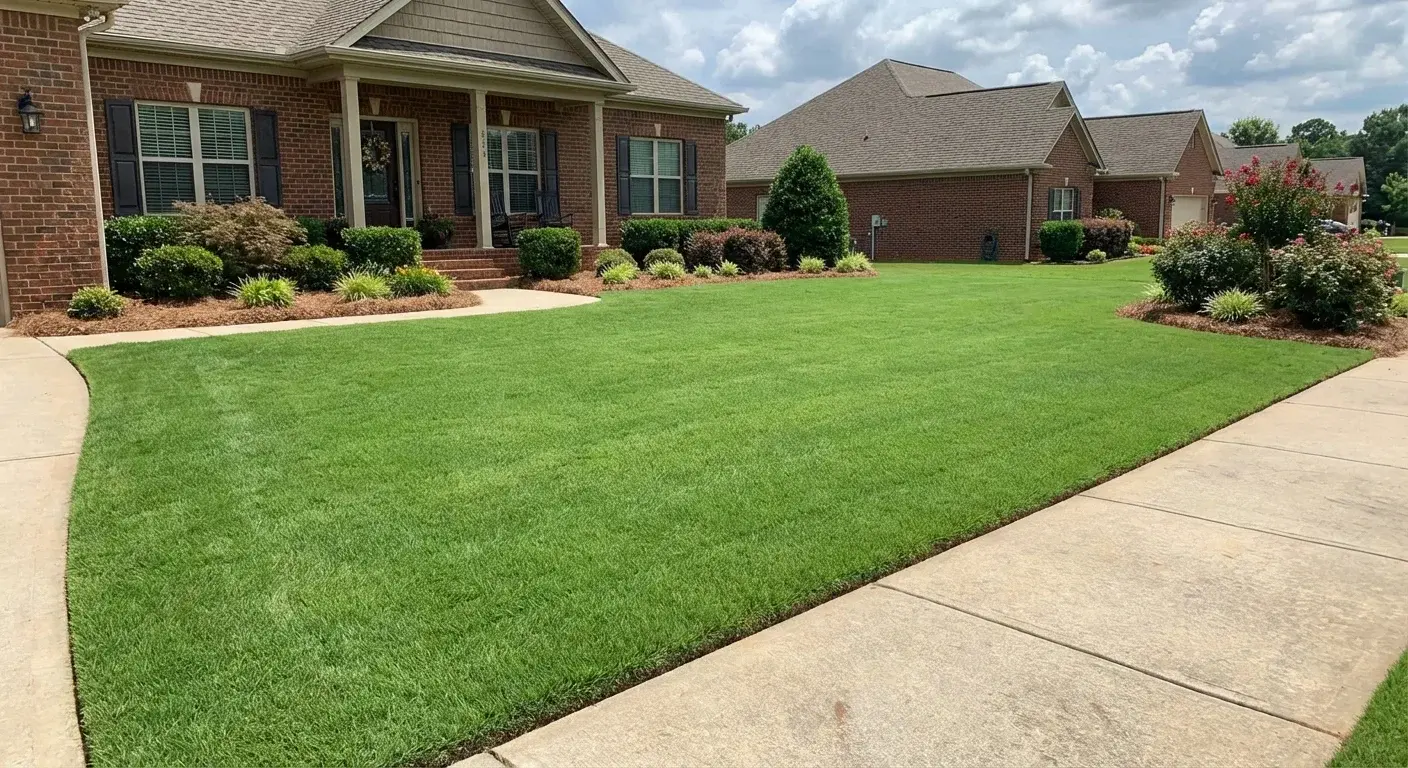
Lawn Care & Weed Control in Hampton, GA
Owner-operated lawn treatments for Hampton, GA. We also serve all of Henry County.
GopherTurf provides professional lawn care in Hampton, GA — weed control, fertilization, core aeration, overseeding, insect control, and lawn disease treatment. We run 8 treatments a year timed to Georgia's warm-season turf, with plans starting at $50 per treatment.
Speak with the owner about your lawn. Call every day, 9 AM–5 PM.
Hampton Lawn Care Overview
GopherTurf serves Hampton and all of Henry County. Tell us your property address and the area of grass to be treated so we can prepare a property-specific quote.
Choose a lawn program around the grass you have and the problem you want to solve. Share the turf type if known, recent treatments, approximate lawn area, and whether thinning occurs in sun, shade, or wet areas. We offer overseeding where it is appropriate; it is not a universal solution for thin Bermuda or Zoysia.
Part of Henry County, GA
What I Watch For in Hampton, GA
- Identify the grass and the cause of thinning before treatment.
- Coordinate weed control with any seeding plans.
- Schedule aeration and feeding for the appropriate growth cycle.
Services in Hampton, GA
Click a service below for details on that work in Henry County.
Lawn Care Pricing in Hampton, GA
Compare our eight-treatment programs. Your personal quote confirms the right scope for your property.
Gopher It
Weed control and fertilization
$50per treatment
$400 for 8 treatments per year
We confirm lawn size, condition, and service scope in your personal quote.
- 8 rounds of expert treatments
- Weed Control
- Fertilization
Gopher More
Adds aeration and lawn insect treatment
$200per treatment
$1,600 for 8 treatments per year
We confirm lawn size, condition, and service scope in your personal quote.
- 8 rounds of expert treatments
- Weed Control
- Fertilization
- 1 annual aeration (during active growth)
- Preventative pest treatment (ants, grubs, armyworms)
Gopher It All
Adds disease treatment, soil testing, and a second aeration
$500per treatment
$4,000 for 8 treatments per year
We confirm lawn size, condition, and service scope in your personal quote.
- 8 rounds of expert treatments
- Weed Control
- Fertilization
- 2 aerations timed to turf growth
- Preventative pest treatment (ants, grubs, armyworms)
- Preventative fungicide for lawn
- Annual Soil Test
Nearby Cities in Henry County
We also provide lawn care in these nearby cities.
Caring for your lawn in Hampton
Seasonal treatment guidance
spring
Review summer-annual weed prevention before germination. For Bermuda and Zoysia, wait for suitable active growth before nitrogen feeding or disruptive cultivation. Share any planned seeding before weed-control treatments.
summer
Warm-season turf is usually actively growing. Assess aeration needs, match nutrition to the grass, and investigate insects, disease, or water stress before choosing a treatment. Tall fescue follows a different summer plan.
fall
Plan winter-annual weed prevention and prepare warm-season turf for dormancy. Avoid a blanket fall nitrogen or aeration schedule for Bermuda and Zoysia. Fall establishment and aeration can suit tall fescue; coordinate seeding with herbicide restrictions.
winter
Review soil-test needs, drainage, leaf buildup, and active winter weeds. Dormant warm-season grass does not need fertilizer simply to turn green. Use the winter review to plan spring work.
Weeds, thinning, and brown patches
Weeds returning in thin turf
Identify the weed and the reason the grass is thin. Prevention, treatment of existing weeds, and suitable lawn-care practices each have a role.
Compaction or water collecting
Core aeration can help compacted soil. Persistent water problems may also involve grading or drainage, which a lawn treatment cannot correct on its own.
Brown patches or poor color
Compare the grass type, season, and pattern. Dormancy, moisture, shade, insects, and disease can look similar; identify the cause before applying fertilizer or pesticides.
You work directly with GopherTurf’s owner. Our focus is weed control, fertilization, aeration, and turf management, with overseeding when appropriate. Meet the owner.
Lawn Care Questions in Hampton
Do you provide lawn care in Hampton, GA?
GopherTurf serves Hampton and all of Henry County. Tell us your property address and the area of grass to be treated so we can prepare a property-specific quote.
What does eight treatments cost for the year?
Gopher It: $50 per treatment, or $400 for eight treatments. Gopher More: $200 per treatment, or $1,600 for eight treatments. Gopher It All: $500 per treatment, or $4,000 for eight treatments. We confirm the lawn size, condition, and service scope in your property-specific quote.
Does every visit include fertilizer?
No. Eight treatment visits do not mean eight fertilizer applications. The treatment at each visit depends on your grass type, active growth, weeds, and lawn condition.
When is aeration scheduled?
Aeration is timed to active growth and recovery. Bermuda and Zoysia are generally aerated in late spring or summer; cool-season lawns follow a different schedule. We avoid treating a dormant or stressed lawn as if it were actively growing.
Is overseeding included?
Overseeding is available if needed. We first check the grass and cause of thinning; your quote confirms the appropriate scope and cost.
When can children and pets use the treated lawn?
Follow the specific instructions provided for each application. Re-entry and watering requirements vary by product; do not assume every treatment has the same waiting period.
Lawn Care Tips & Guides
Expert advice for maintaining a healthy lawn in Hampton, GA.
Ready for a Healthier Lawn?
Get a free, no-obligation quote for your property. We'll assess your lawn and recommend the perfect plan.