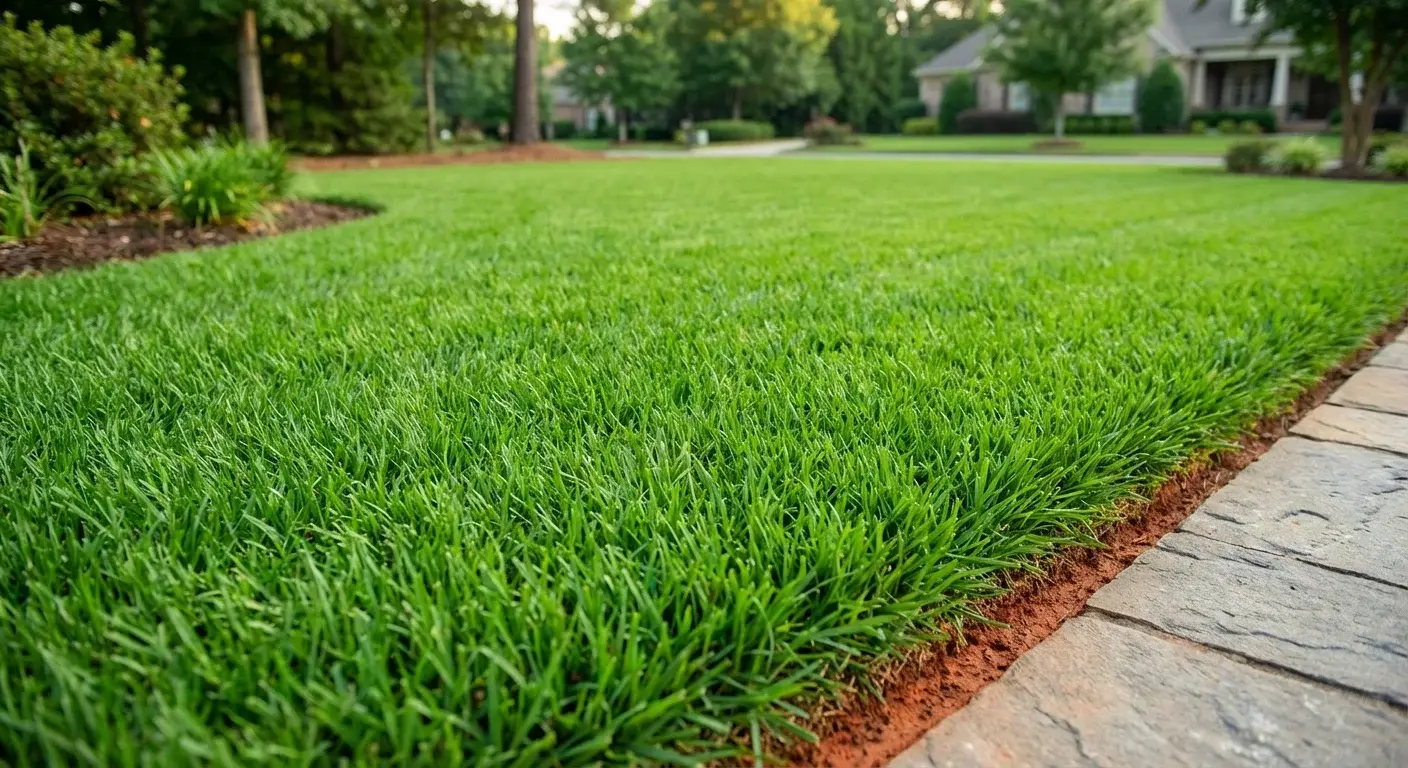
Lawn Insect Control in Hampton, GA
Lawn treatments in Hampton, Henry County: weed control, fertilization, aeration, and turf management, with eight scheduled visits per year. For lawn insect control, that means treating what's actually on your property — not running a generic schedule.
Need the county-wide overview? Explore lawn insect control across Henry County, GA.
What You Get
- Identification before treatment
- Attention to grubs and turf-feeding caterpillars
- Applications matched to the pest and life stage
- Product-specific aftercare
Local Reality in Hampton, GA
This is what I'm planning around when I treat lawns in this area:
- Identify the grass and the cause of thinning before treatment.
- Coordinate weed control with any seeding plans.
- Schedule aeration and feeding for the appropriate growth cycle.
Lawn Insect Control Details for Hampton
Here's what lawn insect control looks like in practice when I'm treating lawns in Hampton, GA.
Lawn Insect Control in Hampton, GA
Brown or thinning grass does not prove insects are responsible. We check for pest activity and lawn damage before recommending treatment. Turf management may include preventive or corrective applications where the pest, history, and conditions warrant them. This service concerns the lawn; GopherTurf does not provide structural pest control or wildlife removal.
What to include in your quote request
For Hampton, send the property address, approximate lawn area, grass type if known, and recent treatment dates. Describe the problem and any seeding plans. We confirm scope and timing before booking.
How I Handle Lawn Insect Control
A repeatable process that's built for results — not for selling you more visits.
- 1Inspect affected turf
- 2Identify insects and assess damage
- 3Select an appropriate response
- 4Explain application and re-entry instructions
- 5Monitor the lawn’s response
More Lawn Insect Control Near Hampton
Explore nearby lawn insect control pages throughout Henry County.
Lawn Insect Control Questions in Hampton
Do you remove gophers or wildlife?
No. Our business name does not describe a wildlife service. We focus on turf care and do not remove animals or treat buildings.
Is brown grass always insect damage?
No. Drought, disease, compaction, and dormancy can look similar. Identification avoids unnecessary insecticide applications.
Are lawn insect treatments included?
Gopher More and Gopher It All list preventive turf insect treatment. Treatment choices and timing depend on lawn conditions and the target pest.
Ready for a Healthier Lawn?
Get a free, no-obligation quote for your property. We'll assess your lawn and recommend the perfect plan.