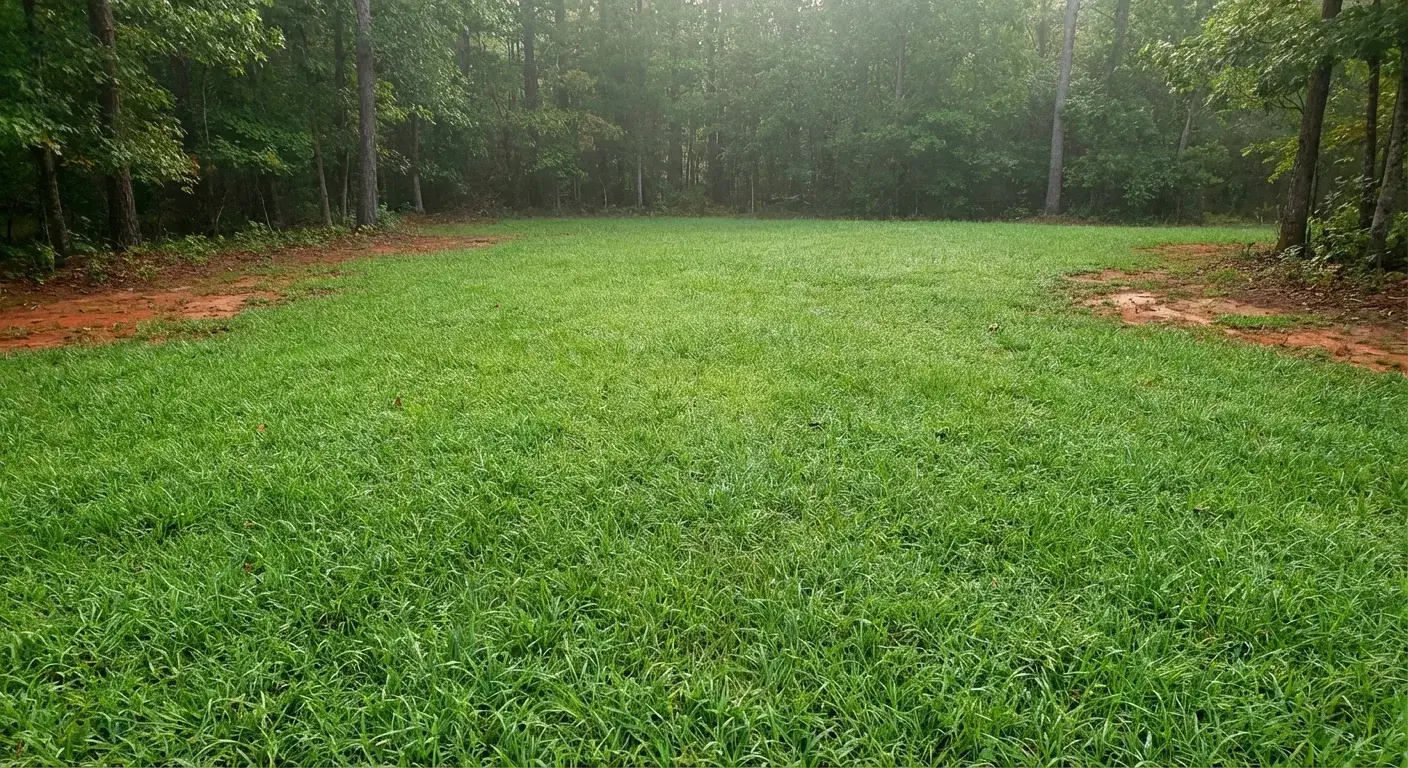
Lawn Fungus Treatment in Zebulon, GA
Lawn treatments in Zebulon, Pike County: weed control, fertilization, aeration, and turf management, with eight scheduled visits per year. For lawn fungus treatment, that means treating what's actually on your property — not running a generic schedule.
Need the county-wide overview? Explore lawn fungus treatment across Pike County, GA.
What You Get
- Grass-specific symptom assessment
- Treatment when disease risk or diagnosis supports it
- Irrigation and nutrition guidance
- Monitoring rather than a universal fungicide schedule
Local Reality in Zebulon, GA
This is what I'm planning around when I treat lawns in this area:
- Identify the grass and the cause of thinning before treatment.
- Coordinate weed control with any seeding plans.
- Schedule aeration and feeding for the appropriate growth cycle.
Lawn Fungus Treatment Details for Zebulon
Here's what lawn fungus treatment looks like in practice when I'm treating lawns in Zebulon, GA.
Lawn Fungus Treatment in Zebulon, GA
Lawn disease management starts with identifying the affected grass and checking symptoms, moisture, and recent care. Large patch on susceptible warm-season turf and brown patch on tall fescue have different patterns. A suitable fungicide may be part of the response, alongside changes to irrigation, nutrition, or other lawn practices. This is an outdoor turf service, not indoor mold inspection or remediation.
What to include in your quote request
For Zebulon, send the property address, approximate lawn area, grass type if known, and recent treatment dates. Describe the problem and any seeding plans. We confirm scope and timing before booking.
How I Handle Lawn Fungus Treatment
A repeatable process that's built for results — not for selling you more visits.
- 1Review symptoms and turf type
- 2Check moisture and recent treatments
- 3Consider diagnostic testing when needed
- 4Choose an appropriate management plan
- 5Explain aftercare and monitor recovery
More Lawn Fungus Treatment Near Zebulon
Explore nearby lawn fungus treatment pages throughout Pike County.
Lawn Fungus Treatment Questions in Zebulon
Do you test or remove indoor mold?
No. This service covers lawn disease only. We do not inspect buildings or provide indoor mold remediation.
Are all circular brown patches the same disease?
No. Several diseases and non-disease problems can produce patches. Grass type, season, leaf symptoms, and moisture history help determine the cause.
Does fungicide make dead grass green again?
No. Treatment may limit an active disease, but damaged turf still needs favorable growing conditions and time to recover. Repair may be necessary where plants have died.
Ready for a Healthier Lawn?
Get a free, no-obligation quote for your property. We'll assess your lawn and recommend the perfect plan.