Back to Pike County, GA
Service

Aeration in Pike County, GA

If your lawn is in Pike County, GA, aeration needs to be timed and targeted — not guessed at. My job is to treat what's real on your property and keep your turf strong enough that problems don't keep cycling back.

What You Get

  • Relieves soil compaction in heavy Georgia clay
  • Improves water infiltration and reduces runoff
  • Enhances nutrient absorption at the root level
  • Stimulates new root growth for a thicker lawn
  • Reduces thatch buildup naturally

Local Reality in Pike County, GA

This is what I'm planning around when I treat lawns in this area:

  • Clay compaction is common — aeration makes a big difference.
  • Pre-emergent timing is key for clean spring turf.
  • Summer humidity can trigger fungus if watering is off.

Aeration Details for Pike County

Here's what aeration looks like in practice when I'm treating lawns in Pike County, GA.

Core Aeration for Pike County Red Clay

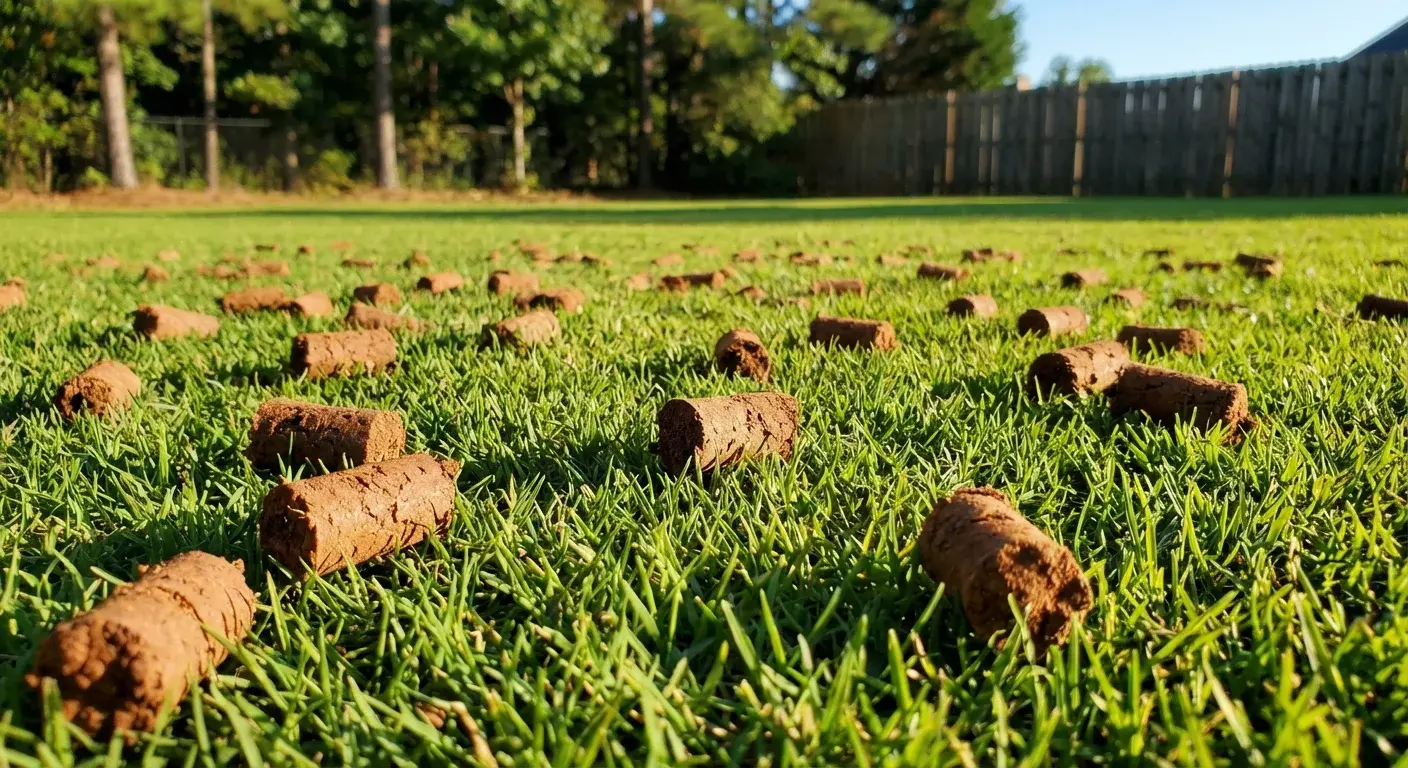
Core aeration is the single most important service I provide on Pike County properties. Our Piedmont red clay compacts faster and harder than almost any other soil type in Georgia, and once it's compacted, water runs off instead of soaking in, fertilizer sits on the surface, and grass roots can't expand. I pull 2 to 3 inch cores across your entire lawn, opening up channels for water, air, and nutrients to reach the root zone. The plugs break down on the surface and add organic matter back to the soil over the following weeks.

Fall Aeration Timing for Warm-Season Grasses

I schedule core aeration for Pike County Bermuda and Zoysia lawns in September through early October, when the grass is still actively growing and has time to recover before dormancy. Aerating during peak growth means the turf fills in the holes quickly and takes full advantage of the improved soil conditions. I avoid aerating in late fall or winter because the grass can't heal, and I avoid spring aeration on warm-season turf because it disrupts pre-emergent barriers and invites weed pressure.

Aeration Combined with Overseeding

For properties with shaded areas or fescue blends, I combine fall aeration with overseeding to thicken the stand heading into winter. The aeration holes create perfect seed-to-soil contact, and the improved soil conditions give germinating seedlings a much better chance of establishing. In Pike County, this combination works especially well in transitional areas where Bermuda thins under tree canopy and a shade-tolerant fescue can fill the gap.

Liquid Aeration as a Supplement

On some Pike County properties where mechanical aeration is difficult — steep slopes, heavily landscaped areas, or properties with extensive irrigation systems — I use liquid aeration products as a supplement. These soil conditioners break down clay bonds and improve water penetration without pulling physical cores. I want to be honest: liquid aeration is not a full replacement for mechanical core aeration on Pike County red clay, but it's a useful tool in combination with annual core aeration for particularly stubborn soil.

How I Handle Aeration

A repeatable process that's built for results — not for selling you more visits.

  1. 1Pre-aeration lawn assessment and mowing
  2. 2Core aeration with professional-grade equipment
  3. 3Soil plugs left to decompose naturally
  4. 4Ideal pairing with overseeding for best results
  5. 5Post-aeration watering recommendations provided

Also Serving Nearby Cities

If you're close to the area, there's a good chance I can help.

Aeration Questions in Pike County

How often should I aerate my Pike County lawn?

I recommend at least once per year for every lawn on Pike County red clay. Properties with heavy foot traffic, clay that's been compacted by construction, or lawns that have never been aerated may benefit from twice yearly — once in spring for fescue and once in early fall for Bermuda and Zoysia. After two or three years of consistent aeration, you'll notice a dramatic difference in how your soil handles water and how your grass fills in.

When is the best time to aerate in Pike County?

For Bermuda and Zoysia lawns, early September through mid-October is the ideal window. The grass is still growing actively and will recover quickly before winter dormancy. For fescue or cool-season blends, early spring or fall aeration works well. I avoid aerating warm-season grasses in spring because it breaks up the pre-emergent herbicide barrier you need for crabgrass prevention, and aerating during summer heat stress does more harm than good.

Will aeration make my lawn look bad temporarily?

Your lawn will have soil cores scattered across the surface for about 1 to 2 weeks after aeration, and some people think it looks messy. I leave the cores in place because they break down naturally, returning organic matter and beneficial microbes to the soil. Within 2 to 3 weeks, the cores disappear, the holes fill in with new root growth, and your lawn looks significantly better than before. The short-term cosmetic tradeoff is absolutely worth the long-term improvement in Pike County clay.

Can I aerate my Pike County lawn myself?

You can rent a core aerator from a local equipment rental, but I'd caution you on a few things. Pike County red clay is tough on machines, and consumer-grade aerators often can't pull adequate cores when the soil is dry. The machine needs to make multiple passes to get proper coverage, and it's a physically demanding job on hilly Piedmont terrain. Most homeowners who try it once end up calling me the following year because the results weren't what they expected from a single light pass.

Ready for a Healthier Lawn?

Get a free, no-obligation quote for your property. We'll assess your lawn and recommend the perfect plan.