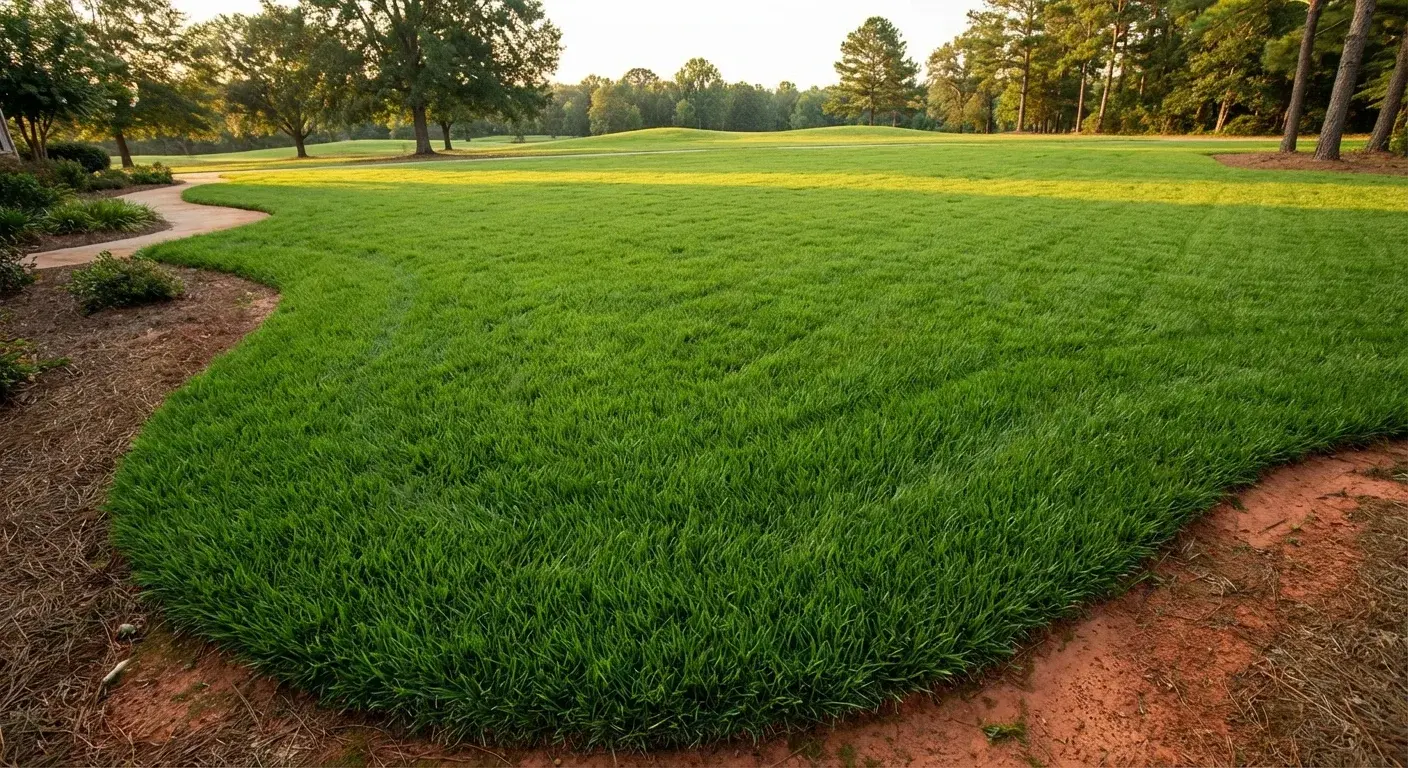
Fertilization in Meansville, GA
Lawn treatments in Meansville, Pike County: weed control, fertilization, aeration, and turf management, with eight scheduled visits per year. For fertilization, that means treating what's actually on your property — not running a generic schedule.
Need the county-wide overview? Explore fertilization across Pike County, GA.
What You Get
- Grass-specific nutrition
- Applications timed to active growth
- Soil-test guidance for pH and nutrient decisions
- Assessment of yellowing before adding fertilizer
Local Reality in Meansville, GA
This is what I'm planning around when I treat lawns in this area:
- Identify the grass and the cause of thinning before treatment.
- Coordinate weed control with any seeding plans.
- Schedule aeration and feeding for the appropriate growth cycle.
Fertilization Details for Meansville
Here's what fertilization looks like in practice when I'm treating lawns in Meansville, GA.
Fertilization in Meansville, GA
Fertilizer supports growth when the lawn can use it. Bermuda, Zoysia, and Centipede have different nutrient needs, and cool-season turf follows a different calendar. We consider the grass, condition, and soil-test recommendations before choosing a program. Eight scheduled treatment visits do not mean eight fertilizer applications.
What to include in your quote request
For Meansville, send the property address, approximate lawn area, grass type if known, and recent treatment dates. Describe the problem and any seeding plans. We confirm scope and timing before booking.
How I Handle Fertilization
A repeatable process that's built for results — not for selling you more visits.
- 1Identify grass and assess lawn condition
- 2Review soil-test information
- 3Plan nutrient amounts and seasonal timing
- 4Apply the recommended treatment
- 5Provide product-specific aftercare
More Fertilization Near Meansville
Explore nearby fertilization pages throughout Pike County.
Fertilization Questions in Meansville
Should Bermuda or Zoysia receive fall nitrogen?
Routine fall nitrogen is not recommended as warm-season turf approaches dormancy. Tall fescue has a different schedule. Soil-test results help determine whether other amendments are needed.
Will fertilizer fix every thin or yellow lawn?
No. Shade, drainage, compaction, insects, disease, and seasonal dormancy can also cause poor color or growth. Adding nutrients without understanding the cause can waste money or worsen the problem.
When can children and pets return?
Follow the instructions provided for that application. Re-entry requirements vary by product; do not assume every treatment is ready after a fixed number of hours.
Ready for a Healthier Lawn?
Get a free, no-obligation quote for your property. We'll assess your lawn and recommend the perfect plan.