Aeration in Forest Park, GA
Lawn treatments in Forest Park, Clayton County: weed control, fertilization, aeration, and turf management, with eight scheduled visits per year. For aeration, that means treating what's actually on your property — not running a generic schedule.
Need the county-wide overview? Explore aeration across Clayton County, GA.
What You Get
- Relief for compacted root zones
- Improved opportunity for water infiltration
- Timing matched to grass recovery
- Advice on whether seeding is appropriate
Local Reality in Forest Park, GA
This is what I'm planning around when I treat lawns in this area:
- Identify the grass and the cause of thinning before treatment.
- Coordinate weed control with any seeding plans.
- Schedule aeration and feeding for the appropriate growth cycle.
Aeration Details for Forest Park
Here's what aeration looks like in practice when I'm treating lawns in Forest Park, GA.
Aeration in Forest Park, GA
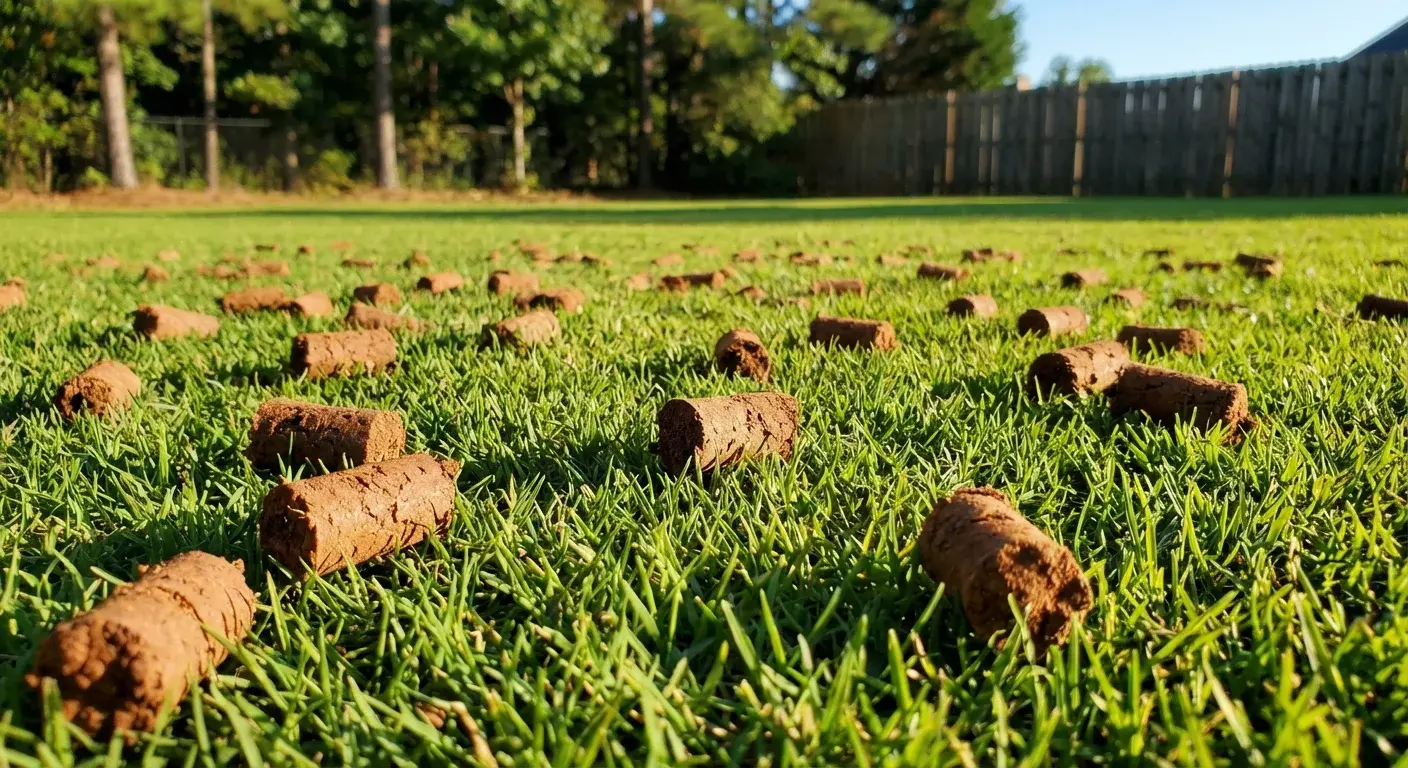
Core aeration removes small soil plugs to help relieve compaction and improve movement of water and air into the root zone. It is most useful where traffic or soil conditions restrict roots. Timing matters: warm-season Bermuda and Zoysia should have time to recover during active growth, generally in late spring or summer. Aeration is not a substitute for correcting grading, drainage, or heavy shade.
What to include in your quote request
For Forest Park, send the property address, approximate lawn area, grass type if known, and recent treatment dates. Describe the problem and any seeding plans. We confirm scope and timing before booking.
How I Handle Aeration
A repeatable process that's built for results — not for selling you more visits.
- 1Assess compaction, grass type, and stress
- 2Coordinate timing with weed-control and seeding plans
- 3Ask you to mark irrigation heads and other obstacles
- 4Core-aerate when soil conditions are suitable
- 5Provide recovery and watering guidance
More Aeration Near Forest Park
Explore nearby aeration pages throughout Clayton County.
Aeration Questions in Forest Park
When should I aerate Bermuda or Zoysia?
Generally during active growth in late spring or summer. Avoid a blanket fall schedule for warm-season lawns; tall fescue can benefit from fall cultivation.
Does every lawn need two aerations?
No. The need depends on compaction, use, and recovery. Gopher It All includes two aerations, timed to the lawn’s growth and conditions.
Should I overseed after aeration?
Only when the grass type and problem justify it. Tall fescue overseeding, establishing a seed-grown warm-season variety, and temporary winter ryegrass are different projects. Many hybrid Bermuda and Zoysia cultivars cannot be reproduced true-to-type from seed.
Ready for a Healthier Lawn?
Get a free, no-obligation quote for your property. We'll assess your lawn and recommend the perfect plan.